


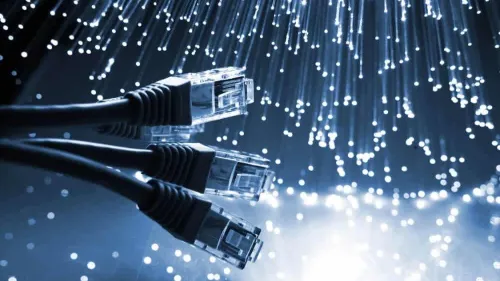


In today’s data-driven world, your network cabling system is more than just wires behind the walls — it’s the backbone of your entire IT infrastructure. As businesses expand, adopt higher-speed technologies, and integrate smart devices, many find that their existing cabling no longer meets the demands of modern communication. But how can you tell if it’s time for an upgrade?


Copper cables and fiber optic systems differ significantly in transmission distance, bandwidth, EMI resistance, and long-term scalability. Based on authoritative standards such as IEEE 802.3, ISO/IEC 11801, and ITU-T G.652/G.657, this article explains the technical distinctions and provides practical selection guidance for enterprise and industrial network deployments.

Industrial Ethernet cables are essential for stable communication in modern factory networks. Designed according to ISO/IEC 11801-3, TIA-1005-A, and IEC 61156 standards, these cables offer enhanced durability, EMI protection, and reliable performance in harsh environments. They are widely used in PLC systems, robotics, machine vision, and Industry 4.0 automation applications
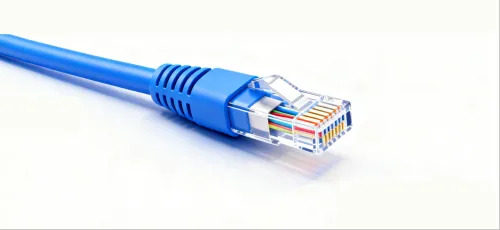
In today’s connected world, a reliable network is essential for smooth communication, data transfer, and business productivity. Whether you are setting up a home office, upgrading enterprise infrastructure, or building a data center, choosing the right Ethernet cable directly impacts your network' s performance and stability.

Global conversations about connectivity often center on 5G in advanced economies or fiber upgrades in megacities.


